BookThe Book of Delights
Ross Gay
Brief essays attend to small delights in gardens, friendship, strangers, and daily life while leaving room for grief and injustice.
PATH 04 OF 08
How can I recover a sense of wonder?
Wonder can be found in a nearby bird, another person’s joy, the living earth, and the breadth of the cosmos. These books invite attention without requiring one explanation for what it means.
BookRoss Gay
Brief essays attend to small delights in gardens, friendship, strangers, and daily life while leaving room for grief and injustice.
Aimee Nezhukumatathil
Illustrated essays that join natural history, memory, identity, and delight in living creatures.
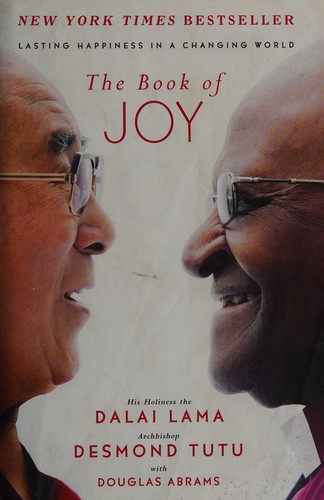
BookDalai Lama XIV; Desmond Tutu; Douglas Abrams
The Dalai Lama and Desmond Tutu discuss joy, suffering, compassion, humor, and practice across Buddhist and Christian lives.
Amy Tan
Drawings and journal-like accounts of birds near Tan’s home show what sustained attention can reveal in ordinary surroundings.
BookRobin Wall Kimmerer
Robin Wall Kimmerer braids botanical science, Citizen Potawatomi teachings, memoir, plant stories, and reflections on language, gratitude, reciprocity, gift, and responsibility. Rather than treating plants as passive resources, she invites readers to encounter them as teachers and relatives within living systems of exchange, while tracing the damage caused by extraction and settler colonialism.
Sarafina El-Badry Nance
An astrophysicist’s memoir interweaves the study of the cosmos with her life and the struggle to make a place in science.
Hakeem Oluseyi; Nils Johnson-Shelton
An astrophysicist guides readers through the physical history and conditions that made our existence possible.
BookAbraham Joshua Heschel
Heschel considers wonder, the ineffable, divine concern, and human response within Jewish religious philosophy.
BookWilliam James
William James's Gifford Lectures examine conversion, mysticism, saintliness, divided selves, melancholy, prayer, and the practical fruits of belief through historical accounts and psychological reflection. He deliberately emphasizes individual experience over institutions and asks what religious states do in a person's life rather than deciding their supernatural source.