A LIBRARIAN’S ORIENTATION
What this book explores
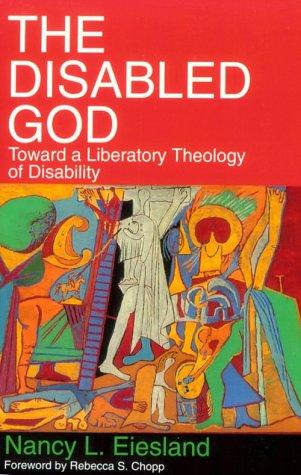
Nancy Eiesland's foundational disability theology begins with the image of the resurrected Christ as a disabled God whose wounds remain. Drawing on sociology, Christian theology, interviews, Eucharist, and disability activism, she critiques ideals of cure, passive suffering, inaccessible worship, and churches that treat disabled people only as recipients of care.
EDITORIAL NOTE
Why it’s in the Library
It changes disability from a pastoral problem into a source of theological knowledge and institutional judgment. The disabled God challenges assumptions that wholeness means erasing bodily difference, while the demand for two-way access recognizes disabled people as leaders and agents. The book gives depth behind inclusive language and exposes when welcome leaves architecture, liturgy, authority, and imagination unchanged.
Good starting place if…
You want a specialist Christian reconstruction of Christology, resurrection, Eucharist, access, wholeness, and disability justice.
Know before you begin…
The book requires sustained Christian and Christological engagement and reflects disability studies and language of the 1990s. Its empirical material and emphasis lean toward physical disability and cannot represent intellectual, sensory, psychiatric, chronic-illness, and neurodivergent experience in full. Foundational status does not make it the final word; later disabled theologians extend and critique it.