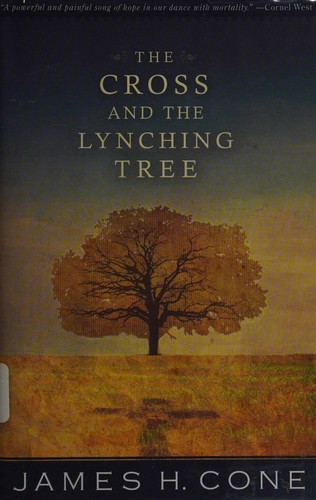
A LIBRARIAN’S ORIENTATION
What this book explores
James H. Cone places the crucifixion of Jesus beside the lynching of Black Americans, arguing that the two symbols interpret one another and expose white Christianity's failure to confront racial terror. Through theology, history, spirituals, blues, literature, and the witness of figures including Ida B. Wells and Martin Luther King Jr., he asks what the cross can mean when Christians ignore crucified people.
EDITORIAL NOTE
Why it’s in the Library
It refuses a spiritualized cross detached from American racial violence and demands that Christian theology be accountable to the people it has failed. For travelers confronting the moral credibility of Christianity, Cone names both devastating betrayal and a Black Christian tradition that found resistance, dignity, and divine solidarity in the cross. The book belongs as theological confrontation, not as an introductory diversity supplement.
Good starting place if…
You are ready to examine Christian atonement, Black faith, white silence, and US racial terror together, with history and theology allowed to challenge one another.
Know before you begin…
The book includes lynching, torture, death, racist imagery, and the theological interpretation of suffering. Its brevity does not make it emotionally light. White readers should approach without turning Black pain into spectacle or rushing toward identification and absolution. Cone's account is a particular work of Black liberation theology, not the only Black Christian reading of the cross, and its claims about redemptive meaning should be read alongside womanist critiques of suffering and surrogacy.