A LIBRARIAN’S ORIENTATION
What this book explores
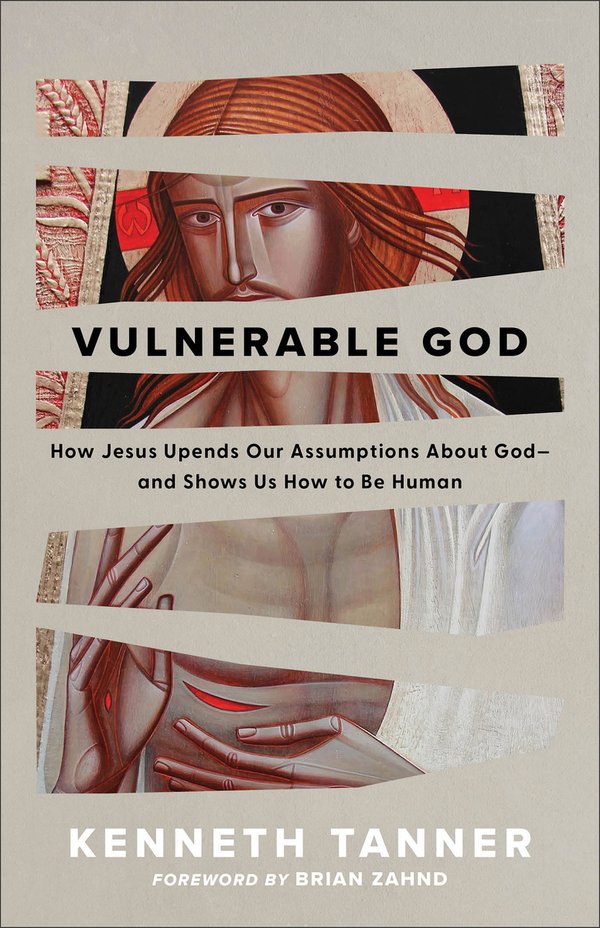
Kenneth Tanner follows Jesus’ life through Scripture and the church year to ask what his humanity reveals about God. Rather than beginning with an abstract picture of divine power, this pastoral meditation treats vulnerability, service, and surrender as central to God’s character. A foreword by Brian Zahnd introduces the book.
EDITORIAL NOTE
Why it’s in the Library
What happens when the Jesus you encounter no longer resembles the God you were taught to fear? Tanner offers a Christian way into that tension: let Jesus’ dependence, compassion, and refusal of coercive power question the inherited picture, rather than forcing him to fit it. His approach opens room to reconsider faith without requiring the reader to leave Christianity or accept a new certainty. The Library includes it as an incarnational theological proposal, not a neutral portrait of the historical Jesus or a verdict on every Christian account of God.
Good starting place if…
It may help if you still feel drawn to Jesus but struggle with an image of God organized around threat or control, and want to explore how the incarnation might reshape it. Expect a reflective Christian conversation about power and humanity rather than a step-by-step guide to deconstruction.
Know before you begin…
Tanner writes from commitment to Christian incarnation, Scripture, and the church’s worship; he is reconsidering God within that faith, not arguing independently for its truth. His interpretation is one Christian account, not a consensus across traditions. The publisher describes a poetic meditation, and theological language may reward slow reading. Divine vulnerability should not be confused with a duty to remain exposed to abuse: this is not a clinical recovery manual, and service or surrender does not remove the need for consent, boundaries, or safety.