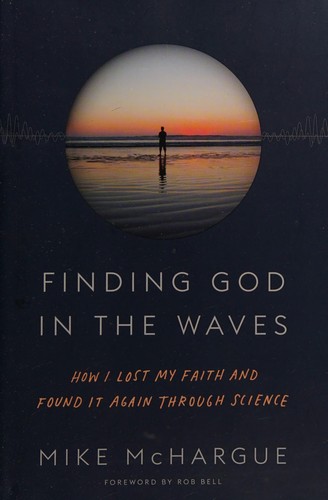
A LIBRARIAN’S ORIENTATION
What this book explores
Mike McHargue recounts losing an inherited Southern Baptist faith through science, biblical criticism, and personal crisis, then recovering a different relationship to God through contemplative experience and naturalistic explanation. Part memoir and part popular science-and-theology proposal, the book interprets prayer, emotion, mystical awareness, and God-language through neuroscience, psychology, physics, and practices that can remain meaningful without restored doctrinal certainty.
EDITORIAL NOTE
Why it’s in the Library
The book is a recognizable bridge for travelers who cannot return to their former beliefs yet find that science alone does not exhaust their experience or longing. McHargue models reconstruction as provisional and autobiographical rather than demanding a standard destination. It belongs as an accessible personal synthesis connecting skepticism, contemplative practice, and Christian vocabulary. Its scientific metaphors and axioms are one person’s framework, not established findings that validate a new theology.
Good starting place if…
You have moved from conservative Christianity toward science and doubt but remain curious whether prayer, God-language, or contemplative experience can be reinterpreted honestly.
Know before you begin…
Memoir, popular science, and constructive theology carry different kinds of authority, and the book sometimes moves quickly among them. Neuroscience can describe correlates of experience without determining its metaphysical meaning; physics language should not be treated as evidence for theological claims. McHargue’s reconstruction may retain too much Christianity for some readers and too little traditional doctrine for others. His path does not prescribe recovery, and spiritual practice cannot replace mental-health or medical care.