A LIBRARIAN’S ORIENTATION
What this book explores
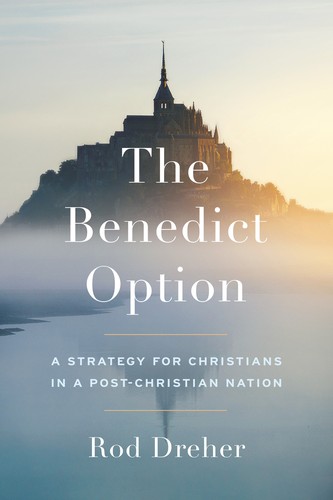
Rod Dreher argues that Christians who hold traditional doctrines should respond to secularization not chiefly by winning elections but by building communities capable of sustaining belief and practice. Inspired loosely by Benedictine life, he urges thicker formation through worship, education, family, work, discipline, hospitality, and local institutions so that orthodox Christianity can endure what he sees as an increasingly hostile cultural environment.
EDITORIAL NOTE
Why it’s in the Library
The book named an influential conservative Christian strategy and captures genuine anxieties about institutional thinning, consumer formation, and the inability of private conviction to survive without communal practice. Travelers need access to that argument in order to understand contemporary debates about withdrawal, resilience, and public life. The Library includes it as a consequential proposal to evaluate—not as a neutral diagnosis, an actual Benedictine rule, or an endorsement of Dreher’s politics or later public trajectory.
Good starting place if…
You want to understand a major conservative Christian response to secularization and why some believers seek durable countercultural institutions rather than electoral rescue alone.
Know before you begin…
Dreher’s account sharply divides orthodox Christianity from liberal modernity and is contested over sexuality, gender, pluralism, historical selection, political fear, and whose belonging or safety a ‘thick’ community protects. His later political commentary and alliances intensify the need to distinguish any useful institutional questions from the author’s broader trajectory. Withdrawal can shelter formation, but it can also consolidate unaccountable authority, isolate vulnerable members, and evade democratic responsibility. Community strength is never itself evidence of justice or safety.