A LIBRARIAN’S ORIENTATION
What this book explores
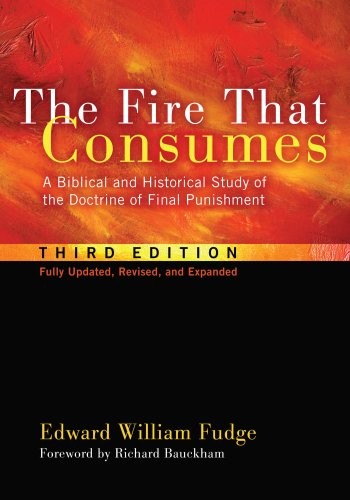
Church of Christ scholar Edward Fudge conducts a biblical case for conditional immortality: the wicked finally perish rather than remain consciously tormented forever. Surveying Old and New Testament language concerning death, destruction, fire, Gehenna, judgment, resurrection, and immortality, he argues that traditional eternal-conscious-torment doctrine relies on assumptions about the immortal soul that the biblical texts do not require.
EDITORIAL NOTE
Why it’s in the Library
This book is important for travelers who were taught that fidelity to Scripture necessarily requires endless conscious torment. Fudge demonstrates that a conservative, high view of biblical authority can yield a materially different conclusion, creating interpretive room without first resolving every question about inspiration. It belongs as a substantial Christian argument for annihilationism or conditionalism—not as neutral consensus, final proof, or relief for every form of religious trauma.
Good starting place if…
You want the most influential modern biblical argument that final judgment means destruction rather than everlasting conscious torment, especially from a conservative Christian frame.
Know before you begin…
The book remains a defense of final punitive judgment and may still intensify fear for readers harmed by hell teaching. Its exegesis, historical account, and assumptions about canon are disputed by defenders of eternal torment, universal reconciliation, and nontraditional readings. Word studies do not interpret themselves, and quantity of citations is not consensus. This is theology, not evidence about postmortem reality. Readers experiencing panic or scrupulosity may need distance and trauma-informed support before comparative study.