A LIBRARIAN’S ORIENTATION
What this book explores
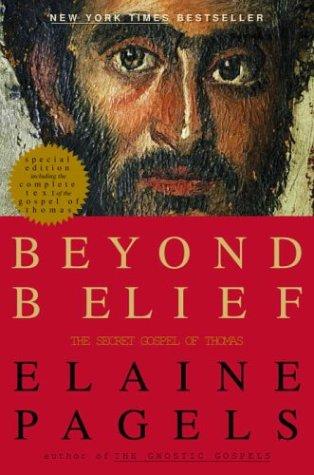
Historian Elaine Pagels uses the Gospel of Thomas and conflicts among early Christians to explore how competing understandings of Jesus, revelation, authority, resurrection, and spiritual knowledge were narrowed as canon, creed, and episcopal structures developed. Personal reflection appears beside accessible historical narrative.
EDITORIAL NOTE
Why it’s in the Library
It can loosen the assumption that earliest Christianity was uniform and that later boundaries appeared fully formed. Thomas becomes a doorway into questions about experience, institution, and who may speak for God. The book belongs as influential scholarship with constructive spiritual interest, not as a complete canon history or proof that excluded texts preserve a purer Christianity.
Good starting place if…
You want accessible scholarship on early Christian diversity and are curious how the Gospel of Thomas changes questions about Jesus and authority.
Know before you begin…
Pagels gives substantial interpretive weight to Thomas and to conflicts between experiential and institutional forms of Christianity. Scholars debate dating, dependence, representativeness, and her narrative of suppression. The book's readable contrast can sharpen differences that were historically more entangled, and an excluded text is not automatically earlier, liberating, or historically reliable.