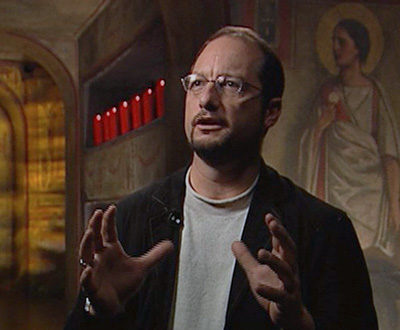
Episode 118: Meghan Henning — Does Hell Exist?
Pete Enns; Jared Byas; Meghan Henning
Separates ancient rhetorical worlds from later popular hell systems in a single accessible conversation.
A LISTENING SELECTION
These conversations approach hell’s history, resurrection, mortality, and care near death from different starting points. If fear is close to the surface, begin gently and pause whenever you need.
An episode can be a first meeting with a voice that feels like good company. If a show resonates, you may choose to keep listening beyond this selection. Each episode here has been chosen on its own merits; the wider show is yours to explore.
7 selected episodesPete Enns; Jared Byas; Meghan Henning
Separates ancient rhetorical worlds from later popular hell systems in a single accessible conversation.
Podcast EpisodeBart Ehrman; Megan Lewis
Separates later Christian hell imagery from the historical questions surrounding Jesus’ own apocalyptic language.
Philosophy Bites
Mortality is approached through clear secular philosophy rather than hell debate or NDE testimony. This exact conversation earns inclusion because the audio mode performs work a parallel book entry would not.
Philosophy Bites
“Afterlife” is reframed as humanity continuing after one’s death, opening meaning beyond doctrinal binaries. This exact conversation earns inclusion because the audio mode performs work a parallel book entry would not.
Helen Bond; Lloyd Llewellyn-Jones
Richard Miller compares resurrection narratives with ancient translation stories, making a contested scholarly proposal audible. This exact object earns inclusion because hearing the exchange performs work the 574-book shelf cannot supply as directly.
Krista Tippett with B.J. Miller
Palliative-care physician B.J. Miller reflects on mortality, disability, imagination, and living fully without pretending that pain, bodily change, or death can be mastered.
Podcast EpisodeJoan Halifax with Krista Tippett
Joan Halifax draws on contemplative practice and bedside care to ask what humane attention to dying can look like for patients, families, and caregivers.